
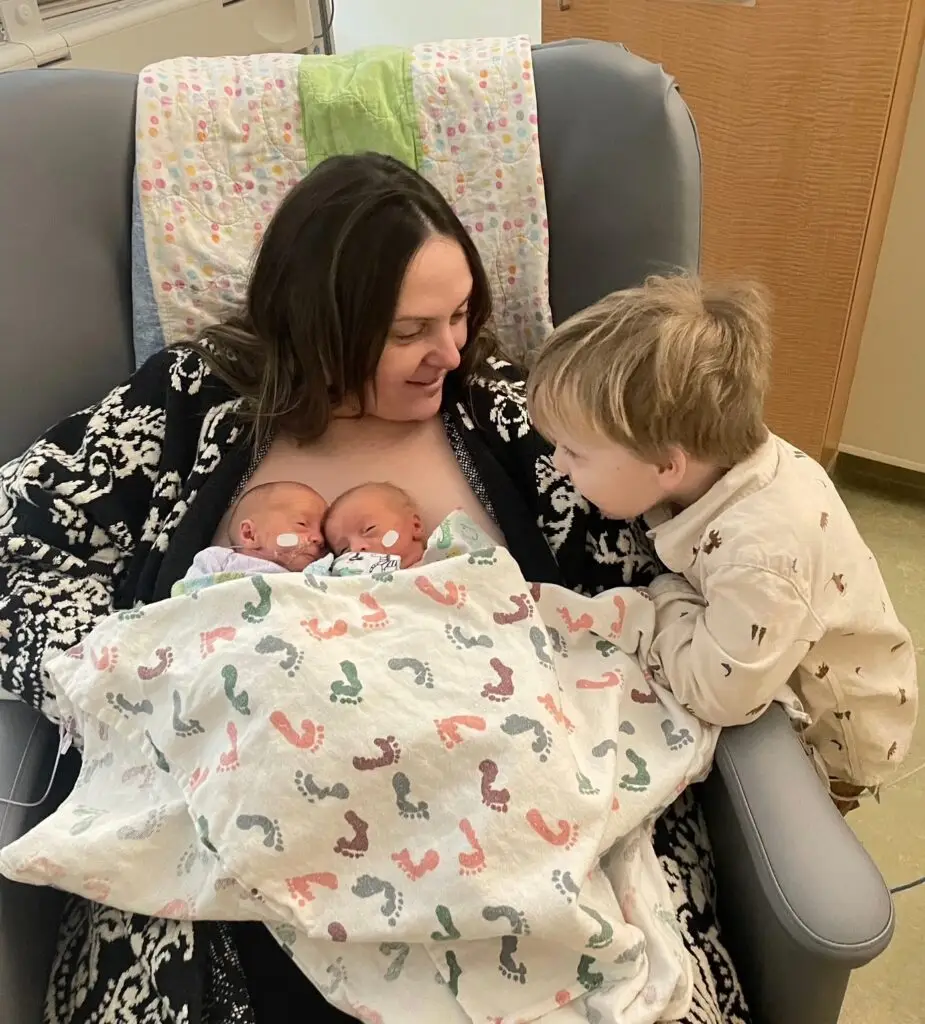
When Amy arrived at a routine doctor’s appointment during her pregnancy, she never imagined her day would end in a hospital an hour away from home.
At just 29 weeks pregnant, concerning bloodwork revealed she could be developing preeclampsia. Amy was quickly transferred from Fremont Memorial Hospital to Toledo, where doctors could care for her and her unborn twin daughters in the NICU if they arrived early.
A little over a week later, doctors determined it was no longer safe for Amy to remain pregnant.
Her daughters, Noelle and Evelyn, were born by emergency C-section at 30 weeks and four days, more than two months before their due date.
“We expected a completely different birth experience,” Amy said. “I imagined my son coming in to meet the girls in the hospital room. Instead, he walked in and saw all the tubes and beeping machines.”
Their three-year-old son Lachlan tried to make sense of the NICU the only way a toddler could.
“He called their little incubators ‘spaceships,’ because of all the lights and noises,” Amy said with a smile.
Eighty Nights Away from Home
Premature babies often remain in the NICU until close to their original due date. For Amy’s daughters, that meant months of care.
Noelle spent about two months in the NICU. Evelyn needed even longer as doctors worked to help her safely feed and grow stronger.
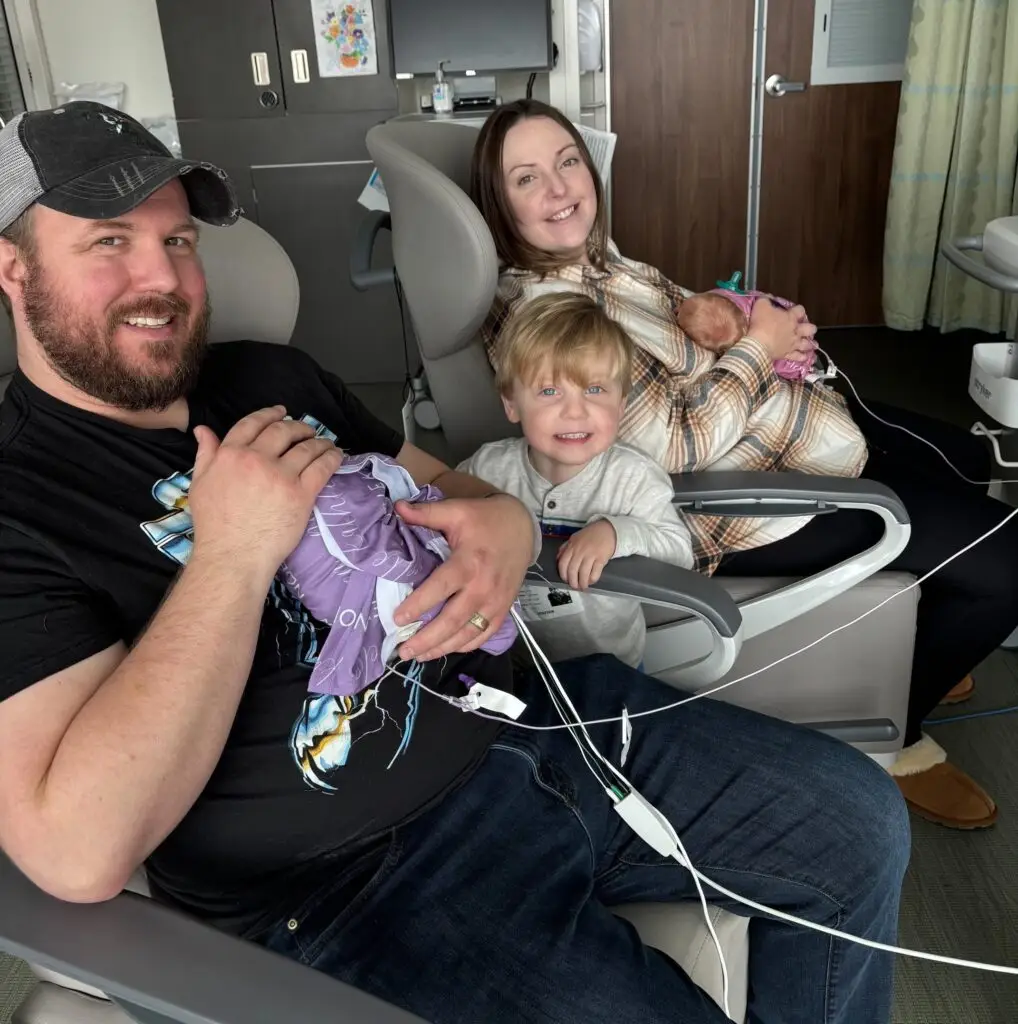
For Amy, the biggest challenge was balancing everything—being present for her daughters while also caring for Lachlan at home.
“It’s hard to think back to what my thoughts were day to day,” Amy said. “We were just taking it one day at a time. Any day the girls improved was a good day for us.”
With the hospital nearly an hour from their Fremont home, the distance alone could have made it nearly impossible to stay close to her daughters.
That’s when a nurse told Amy about the Ronald McDonald House.
A Place That Became Home
After leaving postpartum care, Amy moved directly into the Ronald McDonald House. Over the next 80 nights, it became her family’s home while the twins fought to grow stronger.
“Honestly, it meant everything,” Amy said. “Without it, I don’t know what we would have done financially or how I would have stayed close to the girls.”
Instead of making long daily drives or sleeping in hospital waiting rooms, Amy had a place nearby where she could rest, eat, and regroup before returning to the NICU.
Meals prepared by volunteers and a fully stocked pantry made an enormous difference.
“When you come back from a long day at the hospital, you don’t want to worry about where dinner is coming from,” she said. “Knowing a hot meal was there meant so much to us.”
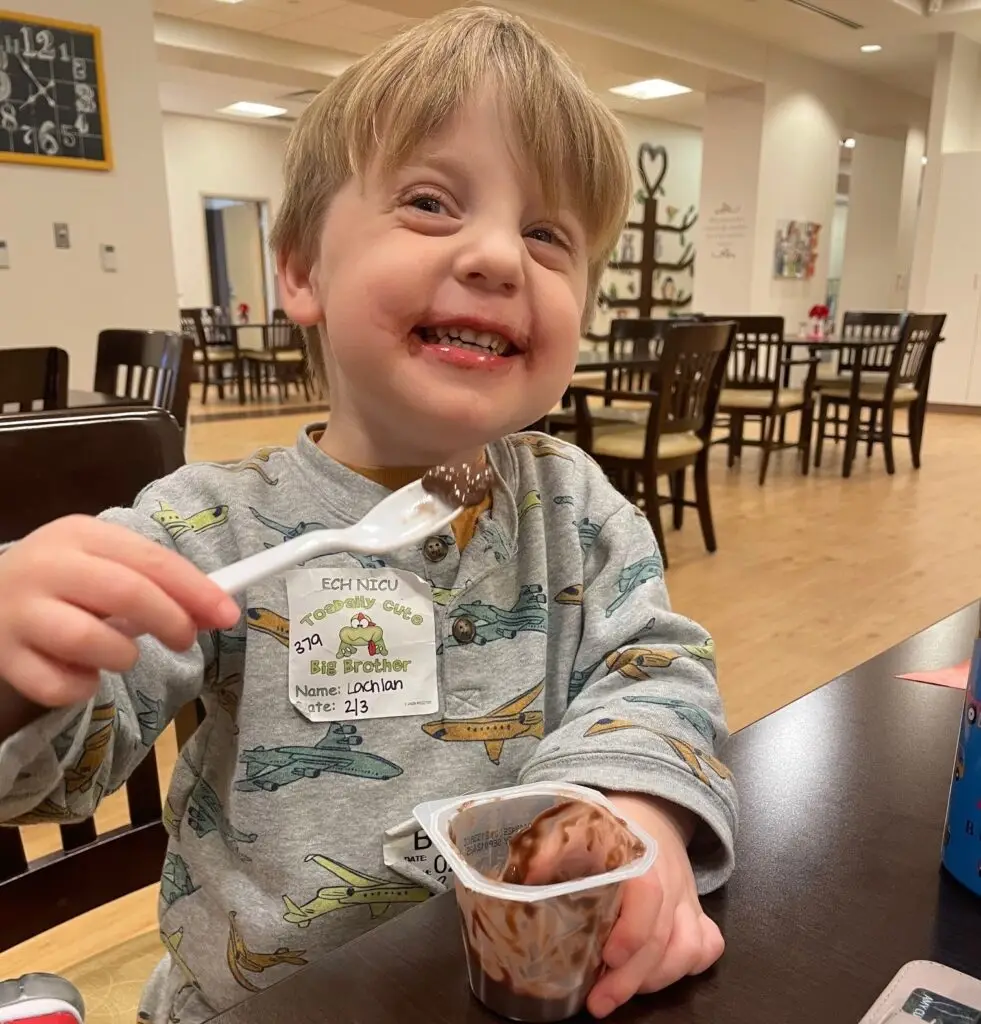
And the House didn’t just support Amy and Jared—it supported Lachlan, too.
On the day they arrived, Lachlan spotted a toy box in the lobby. When he peeked inside, he discovered a large monster truck.
“He was so excited,” Amy said. “He still has that truck today and plays with it all the time.”
Trips to the playroom and playground gave him a chance to simply be a kid during an incredibly stressful time for the family.
A Village When Families Need It Most
During their stay, Amy met other parents walking the same difficult path.
“It’s a small community of people who understand what you’re going through,” she said. “You sit down with someone who has a NICU sticker and suddenly you’re sharing your experiences.”
Looking back, Amy describes the Ronald McDonald House in just a few words:
“Life-saving. And a family you didn’t know you needed.”
Stronger Together
Today, Noelle and Evelyn are thriving.
“They’re walking now and eating their solids like champs,” Amy said proudly.
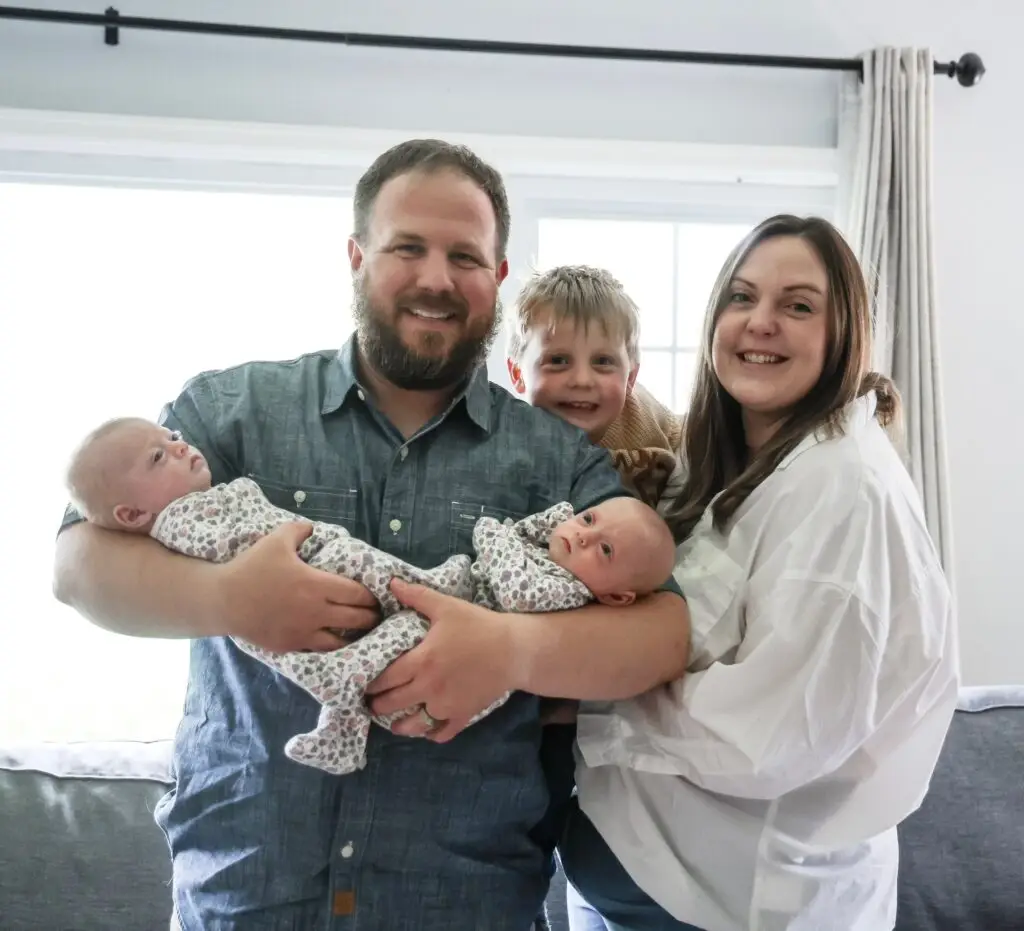
Watching her children grow reminds her how far they’ve come—and how important it was to stay close during those early days.
Without the Ronald McDonald House, Amy says the journey would have looked very different.
“We would have been driving back and forth constantly, sleeping in the hospital sometimes, and struggling financially,” she said. “We wouldn’t have been able to be there for the girls the way we needed to.”
Instead, her family had a place to stay, warm meals to share, and a community that helped carry them through one of the most difficult seasons of their lives.
And for Amy, it meant being exactly where a mother wants to be most—right beside her children.